Tuesday, September 24, 2024

Day 6 - The German Corner and Marksburg Castle

September 23, 2024

The German Corner is in the area of Koblenz, Germany, where the Mosel river joins the Rhine. Named after a local commandry of the Teutonic Order, it became known for a monumental equestrian statue of William I, first German Emperor, erected in 1897 in appreciation of his role in the unification of Germany. One of many Emperor William monuments raised in the Prussian Rhine Province, it was destroyed in World War II and only the plinth was preserved as a memorial. Following German reunification, a replica of the statue was erected on the pedestal after controversial discussions in 1993. 

It was an amazing opportunity to see 3 pieces of the Berlin wall.


The value and significance of Marksburg Castle lie primarily in its complete preservation as a medieval fortification. The imposing fortress with buildings mainly from the 13th to 15th centuries is staggered with a keep, several buildings, kennels and bastions. The typical interiors such as the castle kitchen, knights' hall, bower, chapel, armory, wine cellar, battlements and tower rooms are particularly worth seeing.

Marksburg Castle is the only hill castle on the Rhine that has never been destroyed. It has been lived in for over 700 years. Beginning with the construction of the keep in the 12th century, the castle grew into its present shape throughout succeeding centuries. In the Middle Ages, the strengthening of the castle's defences became essential and urgent by improvements made to firearms. Huge outworks date from this time, as does the conversion of a gateway in the outer wall to a strong bastion. It is mainly due to these extra defence works that the castle was never seriously attacked. In more peaceful times, it was used mainly as a state prison. 


Monday, September 23, 2024

Day 2 - Paris

 September 19, 2024

The morning was full of a bus tour of Paris highlights.  The afternoon we spent in Versailles in the building and in the garden. So hard to believe that the monarchy thought this was ok while their citizens were starving, but hence, the French Revolution.

The evening was spent in front of the camera so no pictures but we had an an amazing evening at Maison with an amazing professional staff and then spur of the moment walking to the Arc de Triomphe to see the Eiffel Tower at night. 

Mark and Mom were good sports as I quickly dismissed the staff's offer of a lift to the top.  I did not know that it would take 284 narrow spiral stairs to get to the top. But the lit tower and then the 5 minutes of sparkle at the 10:00 PM hour made it all worth it - including the 2 days of soreness afterwards :-)


Day 3 - Reims France and Luxembourg American Cemetary

September 20, 2024

On the way to the ship from Paris to Trier, we toured by bus to Reims, France and the American cemetery in Luxembourg.

Reims

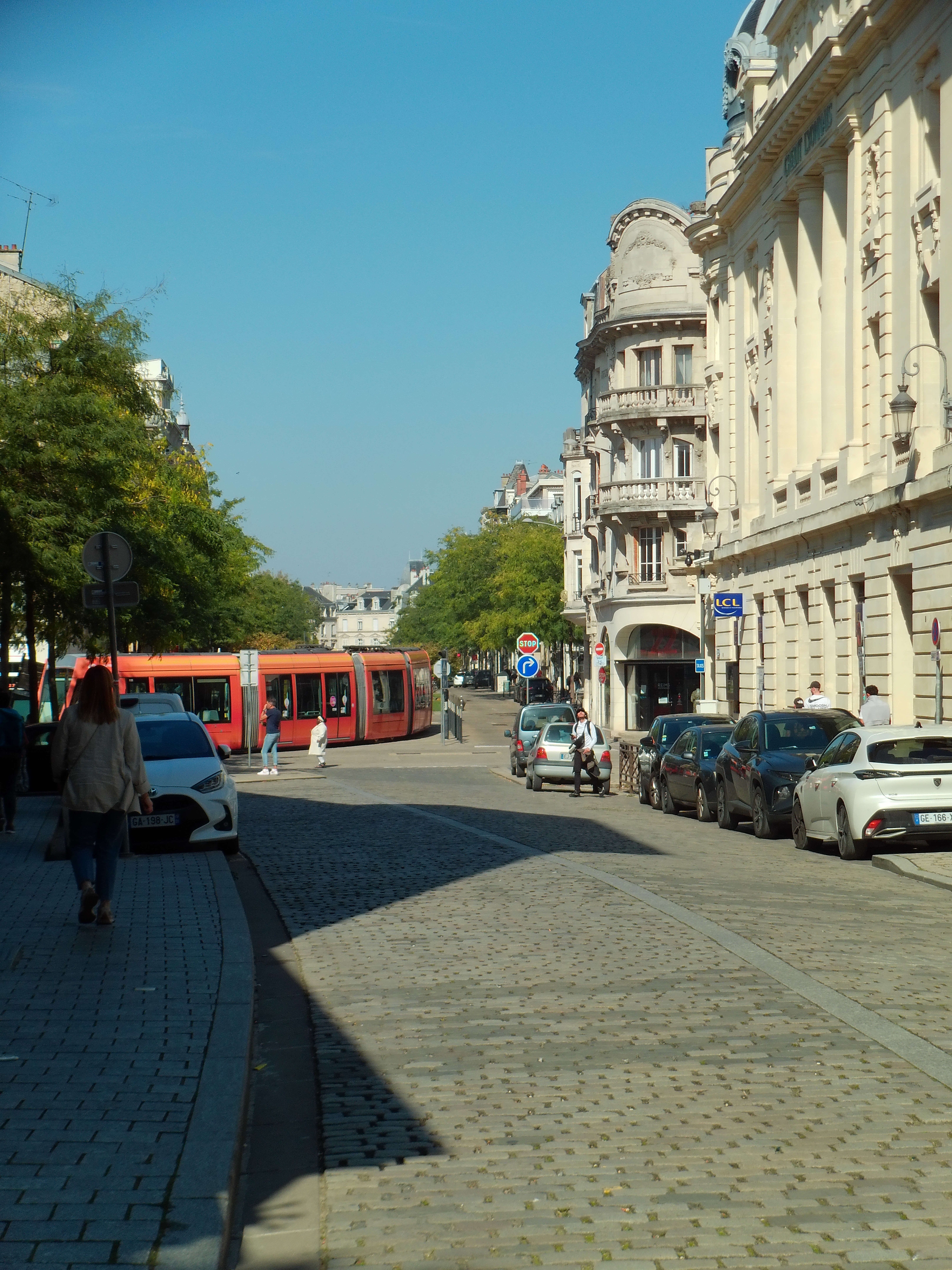
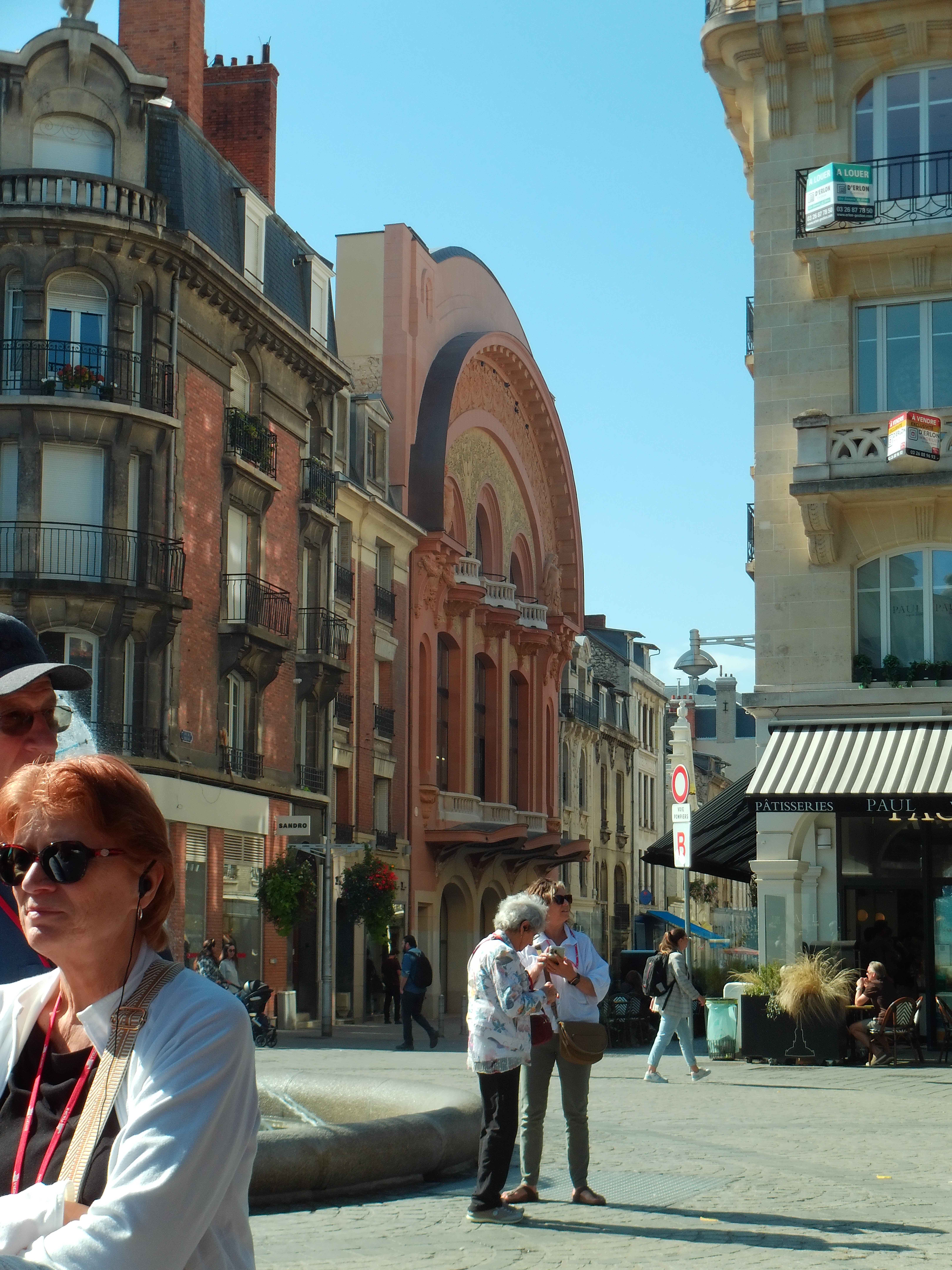
Reims is the 12th most populous city in France. A major city in the Roman empire, it also became a critical city in the role of the French monarchy. The Notre Same de Reims has held the coronation ceremonies of the French Kings since 800 AD.  The city also just happens to be the center of the Champagne region, making for a lovely lunch.

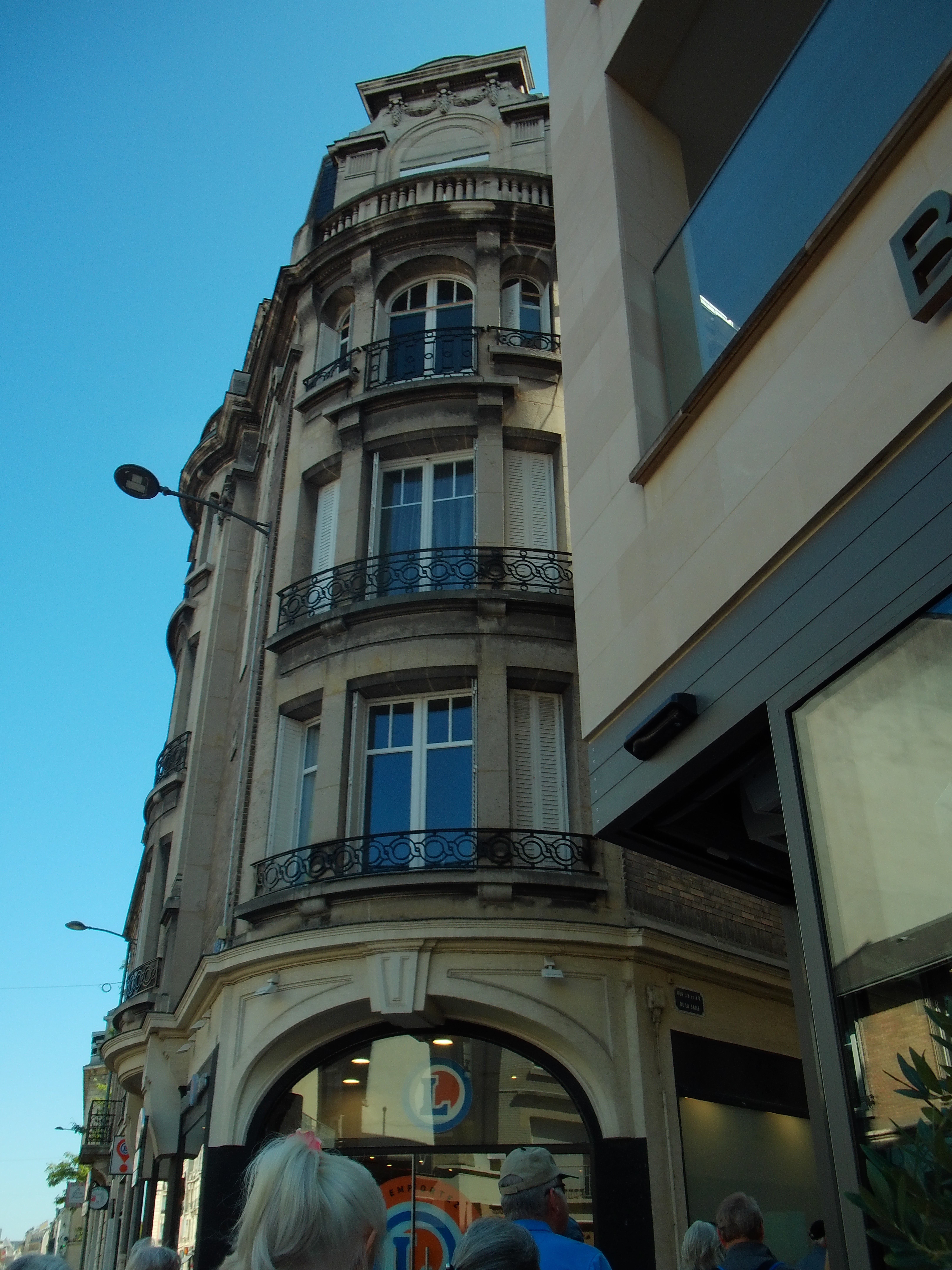
For a city just shy of 180,000 it is surprisingly modern with a light rail system and just as charming in architecture and street layout.  The entire picture and experience is relaxed, boutique, and a place you could spend days in a cafe people watching and lounging in its green spaces.

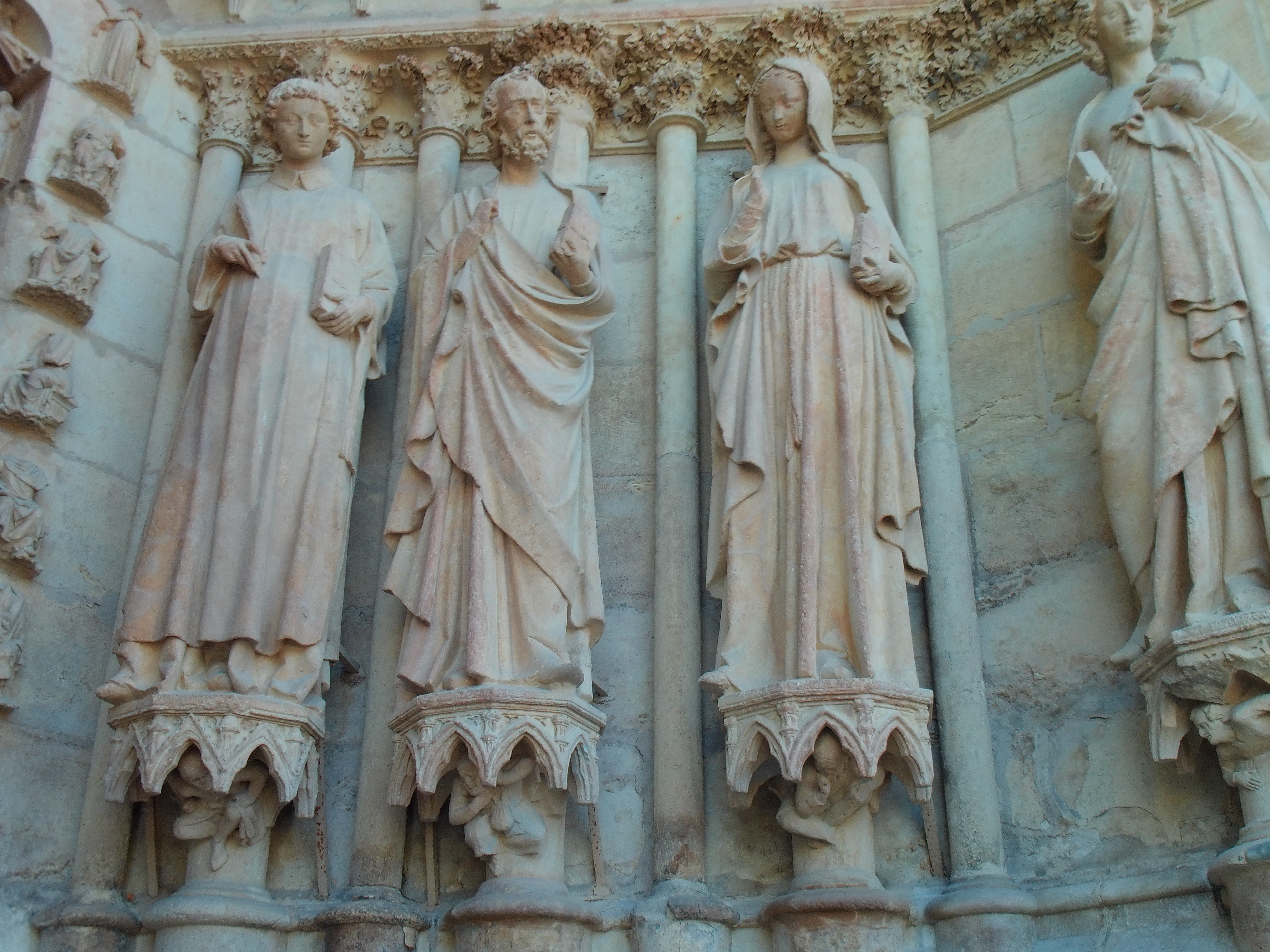
The Reims Cathedral Notre Dame is a stunning example of gothic architecture.  The previous stained glass, found too dark by the monks to read, has been replaced with more light filled stained glass. Some glass was repurchased by the French as a way to mend bridges for the destruction that occurred in the town.  Additionally, local artists - including German artists - have been engaged to replace some of the damaged windows as a further olive branch to repair relations amongst the nations.


Reims Notre Dame


Luxembourg American Cemetery*

* Text credit the American Battle Monuments Commission

The cemetery consists of 17 acres of manicured area surrounded by 33.5 acres of woods. The Memorial Chapel welcomes you at the entrance. The chapel includes massive bronze doors embellished with bronze cartouches depicting military “virtues”, a sparkling mosaic ceiling and a colorful stained glass windows showcasing the Army insignia representing the men and woman that rest in the cemetery.

At the grounds, two pylons face each other across a quote by Eisenhower about the sacrifice of military service members.  The pylons display the battle movements in the western European Operations (on the right) and those related to the Battle of the Bulge (on the left). 371 names of those missing in action are inscribed with twenty-three bronze rosettes identifying service members who have been recovered since the inscriptions were made and now rest in known graves.

Crosses and Stars of David mark the graves of 5,070 service members, many of whom lost their lives in the Battle of the Bulge and in the advance to the Rhine River. The cemetery was established on December 29, 1944 by the 609th Quartermaster Company of the U.S. Third Army while Allied Forces were stemming the enemy's desperate Ardennes Offensive, one of the critical battles of World War II. The city of Luxembourg served as headquarters for General George S. Patton's U.S. Third Army. The cemetery is the final resting place of General Patton.